
Vape Kit
-15%
Hormonal Research Peptides
$ 38.70
Buyer protection
Safe shopping
Easy returns and refunds
Free shipping worldwide
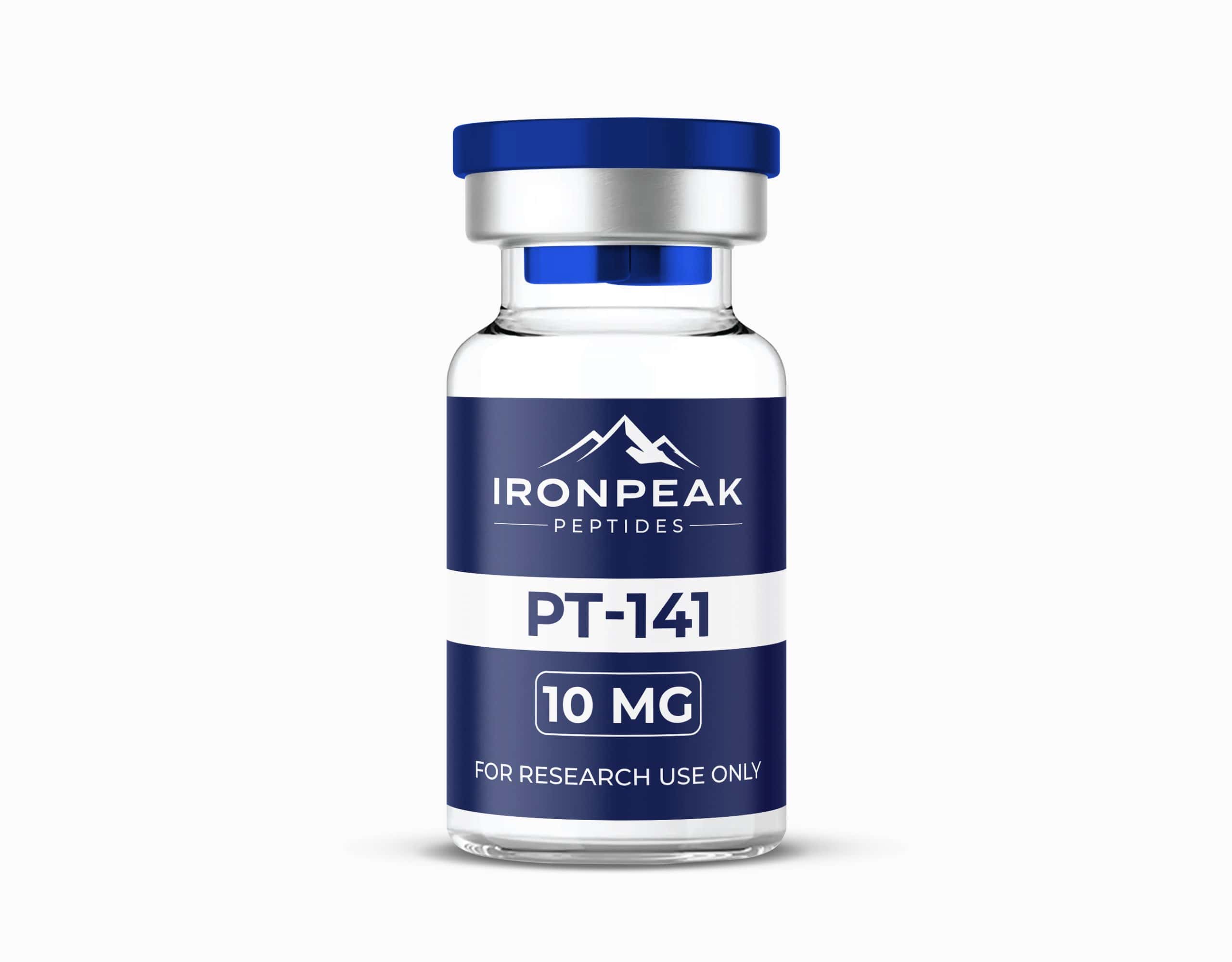
What is PT-141 (Bremelanotide)?PT-141, also known as bremelanotide, is a synthetic cyclic heptapeptide and melanocortin receptor agonist that has garnered significant attention in the research community for its unique mechanism of action on central nervous system pathways. With the amino acid sequence Ac-Nle-cyclo[Asp-His-D-Phe-Arg-Trp-Lys]-OH, this synthetic peptide composed of seven amino acids has a molecular weight of approximately 1025.2 Da and the molecular formula C50H68N14O10.PT-141 was originally derived from Melanotan II, another synthetic melanocortin peptide initially developed for tanning research. During early studies on melanotan ii, researchers observed notable effects on sexual function, which led to the development of the PT-141 peptide as a more targeted compound. Unlike its parent molecule, PT-141 was engineered to retain activity at the melanocortin-3 receptor (MC3R) and melanocortin-4 receptor (MC4R) while minimizing effects on melanogenesis (Molinoff, 2003). As an analog of alpha melanocyte stimulating hormone (alpha-melanocyte-stimulating hormone, or α-MSH), PT-141 targets central melanocortin receptors that regulate various physiological functions including sexual arousal, sexual desire, and appetite.In 2019, the FDA approved bremelanotide (marketed as Vyleesi) for the treatment of hypoactive sexual desire disorder (HSDD) in premenopausal women, making it the first melanocortin receptor agonist to receive regulatory approval for a sexual dysfunction indication (Dhillon & Keam, 2019). PT-141 bremelanotide is classified as a centrally acting agent, distinguishing it from peripherally acting compounds that target vascular mechanisms. This prescription peptide in its pharmaceutical form (Vyleesi) is FDA approved for specific indications, while PT-141 for research purposes is supplied as a lyophilized powder and is available at Iron Peak Peptides in a 10mg vial configuration.Mechanism of Action: How PT-141 Works in the Central Nervous SystemPT 141 exerts its effects through a distinctive central nervous system (CNS) mechanism that differentiates it from other compounds studied in sexual dysfunction research. As a nonselective melanocortin agonist, PT-141 binds to and activating melanocortin receptors across several subtypes, with the MC4R considered the most functionally relevant at research-relevant concentrations (Clayton et al., 2021).The melanocortin system comprises five G protein-coupled receptors (MC1R through MC5R), their endogenous ligands (α-MSH, β-MSH, γ-MSH, and ACTH), and the endogenous antagonists agouti-related peptide (AgRP) and agouti signaling protein (ASIP). PT-141 primarily targets MC3R and MC4R, both of which are expressed predominantly in the central nervous system, particularly in hypothalamic regions critical for regulating sexual behavior, appetite regulation, and energy homeostasis (Molinoff, 2003). These melanocortin receptors and other melanocortin receptors play a crucial role in governing physiological functions ranging from energy balance to reproductive behavior.Hypothalamic Signaling PathwaysResearch has elucidated a key signaling cascade through which PT-141 modulates neural activity. Upon binding to presynaptic MC4Rs on neurons in the medial preoptic area (mPOA) of the hypothalamus, PT-141 activates Gαs-coupled signaling pathways that increase intracellular cyclic adenosine monophosphate (cAMP). This leads to increased release of dopamine in the brain, an excitatory neurotransmitter critically involved in the regulation of sexual desire and motivation (Clayton et al., 2021). These pharmacodynamic effects demonstrate how central melanocortin receptors mediate the compound's activity.Neural Circuitry and Blood Flow ModulationPreclinical studies in rat models demonstrated that systemic administration of PT-141 activates neurons in the paraventricular nucleus (PVN) of the hypothalamus, as evidenced by increased c-Fos immunoreactivity. Importantly, neurons in this same region were shown to take up pseudorabies virus injected into the corpus cavernosum, establishing a direct neural connection between the hypothalamic targets of PT-141 and peripheral sexual response (Molinoff, 2003). Functional neuroimaging research has identified activation in the secondary somatosensory cortex and supplementary motor areas following melanocortin receptor activation, suggesting functional connectivity between cortical and subcortical regions in mediating sexual response.This central mechanism stands in contrast to peripherally acting compounds that work through vascular pathways, such as phosphodiesterase type 5 (PDE5) inhibitors like Viagra. While PDE5 inhibitors primarily enhance blood flow through nitric oxide-mediated vasodilation, research suggests PT-141 influences both the motivational and physiological aspects of sexual response through top-down neural modulation rather than direct peripheral vasodilation. Studies in healthy male subjects have confirmed these distinct mechanisms (Molinoff, 2003).Neurotransmitter InteractionsBeyond dopaminergic pathways, evidence indicates that PT-141 may also modulate norepinephrine and serotonin signaling within brain circuits governing sexual function. Signals from the brain travel through spinal pathways and the pudendal nerves to mediate peripheral sexual responses. The interplay between these neurotransmitter systems creates a complex excitatory-inhibitory balance that underlies sexual desire, and melanocortin receptor activation appears to shift this balance toward excitation (Clayton et al., 2021).Research ApplicationsPT-141 has been extensively studied across multiple research domains, driven by the broad distribution and diverse functions of melanocortin receptors throughout the central nervous system. Below are the primary areas of active investigation for researchers in sexual medicine and related fields.Sexual Dysfunction ResearchThe most thoroughly investigated application of PT-141 is in the study of sexual dysfunction. In preclinical models, PT-141 was shown to induce penile erections in rats and nonhuman primates through central melanocortin pathways (Molinoff, 2003). Landmark animal studies demonstrated that PT-141 selectively stimulated sexual solicitation behaviors in female rat models without affecting lordosis or other reflexive sexual behaviors — a phenomenon termed selective facilitation — suggesting a specific effect on appetitive (desire-related) rather than consummatory components of sexual behavior (Pfaus et al., 2004).Female Sexual Dysfunction and Low Libido ResearchResearch into female sexual dysfunction has been a primary focus of PT-141 investigation. Low libido and low sexual desire affect a significant proportion of women, and conventional approaches have shown inadequate response in many cases. The RECONNECT phase 3 clinical studies, comprising two identical randomized, double-blinded, placebo-controlled trials with 1,267 participants, demonstrated that subcutaneous injection of bremelanotide 1.75 mg significantly improved sexual desire scores and sexual satisfaction, while reducing distress related to low sexual desire compared with placebo (Kingsberg et al., 2019). These findings have opened new avenues for studying CNS-mediated sexual response in the context of sexual health and sexual wellness.For researchers studying peptide-based approaches to sexual function, PT-141 remains a key reference compound alongside related peptides such as Kisspeptin-10, which also modulates reproductive neuroendocrine pathways. For a comprehensive overview, see our PT-141 Bremelanotide Research Guide.Erectile Dysfunction and ED ResearchPT-141 has been extensively studied in erectile dysfunction (ED) research. Early clinical evaluations in healthy male subjects demonstrated dose-dependent improvements in erectile function, establishing the compound's activity through central rather than peripheral mechanisms. In ED research, an intranasal nasal spray formulation of PT-141 was initially developed and tested, with doses of 7–20 mg producing statistically significant erectile responses compared to placebo in men who had previously shown inadequate response to PDE5 inhibitors (Molinoff, 2003). The effectiveness of PT-141 through a CNS-mediated pathway suggests it may represent a complementary approach in sexual medicine for subjects who do not respond to peripherally acting agents.Melanocortin System BiologyPT-141 serves as an important pharmacological tool for studying the melanocortin receptor system. As a nonselective MC3R/MC4R agonist, it enables researchers to probe the roles of these receptors in various physiological processes. The melanocortin system is implicated in pigmentation, inflammation, immune modulation, cardiovascular function, and energy balance. Studies using PT-141 and related melanocortin agonists have helped map the expression patterns and functional significance of MC4R in different brain regions (Pfaus et al., 2007). Research into how PT-141 compares with its parent compound is detailed in our Melanotan II Research Guide.Appetite Regulation and Energy HomeostasisMC4R plays a well-established role in appetite regulation and energy homeostasis. Loss-of-function mutations in the MC4R gene represent the most common monogenic cause of severe obesity in humans. PT-141, as an MC4R agonist, has been studied for its potential effects on food intake and body weight regulation. Central administration of MC4R agonists has been shown to promote satiety, increase energy expenditure, and reduce body weight in animal models (Lotta et al., 2021). While PT-141 was not developed specifically for metabolic research, its activity at MC4R makes it a useful tool compound for studying this receptor's role in energy balance. Researchers investigating peptide-based approaches to metabolic research may also explore Retatrutide and Tirzepatide, which target distinct metabolic pathways.Inflammatory Response ResearchMelanocortin peptides, including α-MSH and its analogs, have demonstrated anti-inflammatory properties in multiple research settings. α-MSH affects several pathways implicated in the regulation of inflammatory responses, including NF-κB activation, expression of adhesion molecules, and chemokine production (Catania et al., 2007). As a synthetic α-MSH analog, PT-141 shares structural features that may confer anti-inflammatory activity through melanocortin receptor signaling. Research in this area has examined the potential of melanocortin agonists in models of neuroinflammation, organ injury, and autoimmune conditions. For related research on anti-inflammatory peptides, see our articles on BPC-157 and KPV.Published Research StudiesPT-141 has an extensive clinical and preclinical research record. Below are key published studies that have shaped the current understanding of this peptide.1. Molinoff PB (2003) — Annals of the New York Academy of SciencesThis foundational study, published by the New York Academy of Sciences (York Academy), characterized PT-141 as an MC3R/MC4R agonist and demonstrated its ability to induce penile erections in rats and nonhuman primates through central nervous system activation. The study confirmed that PT-141 activated hypothalamic neurons (shown via c-Fos immunoreactivity) and produced dose-dependent erectile responses in both normal men and those with erectile dysfunction in early clinical evaluations (Molinoff, 2003).2. Pfaus JG et al. (2004) — Proceedings of the National Academy of SciencesThis landmark preclinical study, published by the National Academy of Sciences, demonstrated that PT-141 selectively facilitated sexual solicitation behaviors in ovariectomized female rat models without affecting lordosis, pacing, or generalized locomotor activity. The dose-response data (100–200 μg/kg) showed significant increases in solicitational behaviors, providing the first evidence that a pharmacological agent could selectively stimulate appetitive sexual behavior in females through selective facilitation (Pfaus et al., 2004).3. Diamond LE et al. (2006) — Journal of Sexual MedicineIn this double-blinded, placebo-controlled crossover study published in the Journal of Sexual Medicine, 18 premenopausal women with sexual arousal disorder received a single 20 mg intranasal dose of bremelanotide or placebo. Results showed significantly more women reported moderate or high sexual desire following bremelanotide treatment compared to placebo (P = 0.0114), establishing preliminary clinical evidence of efficacy in female sexual dysfunction (Diamond et al., 2006).4. Kingsberg SA et al. (2019) — Obstetrics & GynecologyThe pivotal RECONNECT phase 3 studies enrolled 1,267 premenopausal women with HSDD in two identical randomized, double-blinded, placebo-controlled trials. PT-141 bremelanotide 1.75 mg subcutaneously demonstrated statistically significant improvements in sexual desire and sexual satisfaction, along with significant reductions in distress compared with placebo across both studies. These trials formed the basis for FDA approval (Kingsberg et al., 2019).5. Simon JA et al. (2019) — Obstetrics & GynecologyThe 52-week open-label extension of the RECONNECT studies evaluated long-term safety and efficacy of bremelanotide. The most common treatment-emergent adverse effects were nausea (40.4%), flushing (20.6%), and headache (12.0%). No new safety signals emerged, and efficacy was sustained throughout the extension period, providing critical long-term data (Simon et al., 2019).Dosage Protocols in ResearchThe following describes dosages used in published research studies and is for research reference only. This is not medical advice. Consult a qualified healthcare provider before making any decisions related to health. PT-141 is sold strictly for research purposes.Clinical Research DosagesIn the RECONNECT phase 3 clinical trials, the approved research dose was 1.75 mg administered via subcutaneous injection on an as-needed basis, approximately 45 minutes before anticipated activity. The phase 2b dose-ranging study evaluated doses of 0.75 mg, 1.25 mg, and 1.75 mg, with the 1.75 mg dose demonstrating optimal efficacy while maintaining an acceptable tolerability profile (Kingsberg et al., 2019). Dosing was limited to no more than once every 24 hours, with a maximum of 8 doses per month in clinical protocols. PT-141 is considered a relatively fast-acting compound in research settings.Earlier Clinical Research with Nasal SprayEarlier studies explored nasal spray (intranasal) administration at higher doses (up to 20 mg) in both male and female subjects. In healthy male subjects and men with erectile dysfunction, intranasal doses of 7–20 mg produced statistically significant erectile responses compared to placebo (Molinoff, 2003). The subcutaneous route was ultimately selected for clinical development due to more consistent bioavailability and more predictable pharmacodynamic effects.Preclinical Research DosagesIn female rat models, doses of 100–200 μg/kg administered subcutaneously were effective for stimulating sexual solicitation behaviors (Pfaus et al., 2004). Doses up to 1000 μg/kg were evaluated in dose-response studies without significant motor or behavioral side effects beyond the targeted sexual behavior endpoints.Reconstitution GuidelinesPT-141 is typically reconstituted with bacteriostatic water or sterile water for injection. For a 10 mg vial, adding 2 mL of bacteriostatic water yields a concentration of 5 mg/mL. Reconstituted solutions should be gently swirled, not shaken, to avoid peptide degradation. Refer to our detailed How to Reconstitute Peptides guide for step-by-step instructions.Storage and HandlingProper storage and handling of PT-141 are essential to maintain peptide integrity and ensure reliable research results. As a lyophilized peptide, PT-141 is relatively stable in its dry powder form but requires careful attention once reconstituted.Lyophilized (Unreconstituted) StorageStore lyophilized PT-141 at -20°C (freezer) for long-term storage, where it remains stable for up to 24 months. For shorter-term storage (up to 3 months), refrigeration at 2–8°C is acceptable. Keep vials sealed and protected from light and moisture. Avoid repeated temperature cycling.Reconstituted StorageOnce reconstituted, PT-141 solutions should be stored at 2–8°C (refrigerator) and used within 28 days. If bacteriostatic water is used as the diluent, the preservative (benzyl alcohol) provides additional microbial protection. Aliquoting reconstituted peptide into single-use portions and freezing at -20°C can extend stability, though repeated freeze-thaw cycles should be avoided.Handling PrecautionsAllow vials to reach room temperature before opening to prevent condensation from contacting the lyophilized powder. Use sterile technique when reconstituting and withdrawing doses. PT-141 is sensitive to oxidation; minimize exposure to air by using insulin syringes that limit headspace. For complete storage best practices, refer to our How to Store Research Peptides guide.Safety Profile in ResearchPT-141 has been evaluated in one of the most comprehensive clinical development programs among peptide therapeutics, comprising over 3,500 research participants and patients across 43 completed studies from phase 1 through phase 3 (Clayton et al., 2022). Understanding the safety profile and potential safety concerns is critical for researchers designing protocols involving this compound.Common Adverse EffectsIn the integrated phase 3 RECONNECT studies (N=1,247), the most frequently reported adverse effects with bremelanotide versus placebo were nausea (40.0% vs. 1.3%), flushing (20.3% vs. 1.3%), headache (11.3% vs. 1.9%), and injection site reactions (5.4% vs. 0.5%). Nausea was the most common reason for study discontinuation. The majority of adverse events were classified as mild to moderate in severity, and most attenuated with continued use (Clayton et al., 2022).Blood Pressure and Cardiovascular ConsiderationsSmall, transient increases in systolic and diastolic blood pressure were observed during ambulatory blood pressure monitoring. These elevations were generally not considered clinically significant in healthy individuals, but research protocols have noted the importance of caution in subjects with pre-existing cardiovascular risk factors or uncontrolled hypertension. Healthcare provider consultation is recommended when evaluating cardiovascular safety concerns in research contexts (Clayton et al., 2022).HyperpigmentationFocal hyperpigmentation was rare with as-needed dosing in accordance with label recommendations. However, in studies evaluating consecutive daily dosing for up to 16 days, hyperpigmentation occurred in more than one-third of subjects, highlighting the importance of dosing frequency in research protocols (Clayton et al., 2022).Long-Term Safety DataThe 52-week open-label extension of RECONNECT revealed no new safety signals with prolonged use. There were no deaths in the clinical program, and serious adverse events were rare (Simon et al., 2019). Drug interaction studies found no clinically significant interactions except for reduced plasma concentrations of indomethacin and naltrexone when co-administered with bremelanotide. Researchers should consult appropriate safety resources and their institutional review boards when designing protocols. For general peptide safety guidelines, see our Research Articles hub.PT-141 and Sexual Health: Current Research LandscapeThe study of sexual health and sexual wellness has expanded significantly with the development of centrally acting melanocortin agonists like PT-141. Traditional approaches to sexual dysfunction focused primarily on peripheral vascular mechanisms — enhancing blood flow through nitric oxide pathways — but research with PT-141 has highlighted the critical importance of central arousal and desire pathways in overall sexual function.For individuals experiencing low libido or low sexual desire, the distinction between central and peripheral mechanisms is particularly relevant. Research suggests that compounds targeting central melanocortin receptors may address motivational aspects of sexual behavior that peripherally acting agents cannot. Studies have demonstrated improvements in both sexual arousal and subjective desire in research participants, suggesting that melanocortin receptor activation influences multiple dimensions of sexual wellness (Clayton et al., 2021).The broader implications for sexual health research extend to understanding how melanocortin pathways interact with other neuroendocrine systems involved in intimacy, bonding, and reproductive behavior, enabling researchers to make more informed decisions about experimental design when investigating CNS-mediated sexual function.Related PeptidesPT-141 belongs to the melanocortin peptide family and shares structural and functional relationships with several other research compounds. Melanotan II is the direct parent compound from which PT-141 was derived; it is a broader melanocortin agonist that also activates MC1R (responsible for melanogenesis) and has been studied for both tanning and sexual function research. Melanotan I (afamelanotide) is a linear α-MSH analog with greater selectivity for MC1R, primarily studied in pigmentation and photoprotection research. For researchers studying neuroprotective and cognitive peptides that also act within the CNS, Semax and Selank offer complementary research directions. Epithalon and Pinealon represent additional peptides of interest for neuroendocrine research, while Thymosin Alpha-1 is studied for immune modulation. Researchers interested in growth hormone secretagogues may explore Ipamorelin, Sermorelin, and CJC-1295 for complementary research avenues. For skin and tissue repair peptides, see GHK-Cu and TB-500.Frequently Asked QuestionsWhat is PT-141 used for in research?PT-141 (bremelanotide) is primarily used in research studying the melanocortin receptor system and its role in sexual function, appetite regulation, and inflammatory response. As an MC3R/MC4R agonist, it serves as a pharmacological tool for investigating central nervous system pathways that modulate sexual desire and arousal. It is also studied in the context of melanocortin system biology, energy homeostasis, and neuropeptide signaling.How does PT-141 differ from Melanotan II?PT-141 was derived from Melanotan II but was specifically engineered to retain activity at MC3R and MC4R while reducing effects on MC1R, the receptor primarily responsible for melanogenesis (skin tanning). As a result, PT 141 has a more targeted activity profile focused on CNS-mediated sexual response, whereas melanotan ii has broader melanocortin receptor activity that includes significant effects on pigmentation. PT-141 is a cyclic heptapeptide composed of seven amino acids, while Melanotan II is a cyclic lactam analog with a slightly different structure and broader receptor affinity.What is the mechanism of action of PT-141?PT-141 activates melanocortin receptors (primarily MC4R) in the hypothalamus, particularly in the medial preoptic area (mPOA). This activation increases dopamine release through Gαs-coupled cAMP signaling pathways in the brain. Unlike peripherally acting compounds that enhance blood flow through vascular mechanisms, PT-141 modulates sexual response through a top-down central nervous system mechanism, influencing the motivational components of sexual behavior (Clayton et al., 2021).What are the common side effects observed in PT-141 research?In clinical studies, the most common adverse effects were nausea (40%), flushing (20.3%), headache (11.3%), and injection site reactions (5.4%). Small, transient increases in blood pressure were also observed. Most side effects were mild to moderate and tended to diminish with continued use. Focal hyperpigmentation was rare with as-needed dosing but more common with consecutive daily dosing (Clayton et al., 2022). Researchers should be aware of these safety concerns when designing study protocols.How should PT-141 be stored for research use?Lyophilized PT-141 should be stored at -20°C for long-term stability (up to 24 months) or at 2–8°C for shorter periods. Once reconstituted with bacteriostatic water, the solution should be refrigerated at 2–8°C and used within 28 days. Avoid repeated freeze-thaw cycles and protect from light and moisture. See our How to Store Research Peptides guide for detailed instructions.Is PT-141 a prescription peptide?Yes, bremelanotide (the pharmaceutical form of PT-141) received FDA approval in June 2019 under the brand name Vyleesi as a prescription peptide for the treatment of acquired, generalized hypoactive sexual desire disorder (HSDD) in premenopausal women. This FDA approved prescription medication was the first melanocortin receptor agonist approved for a sexual dysfunction indication. However, PT-141 sold by research peptide suppliers is intended strictly for research purposes only and is not for human use. Always consult a healthcare provider or doctor for medical questions.Can PT-141 be administered as a nasal spray?Early clinical research evaluated PT-141 as a nasal spray formulation at doses up to 20 mg. While intranasal delivery showed efficacy in both men and women, the subcutaneous injection route was ultimately selected for clinical development due to more consistent bioavailability and reduced variability in absorption. The nasal spray formulation remains of interest in research exploring alternative peptide delivery systems.How does PT-141 compare to PDE5 inhibitors in ED research?PT-141 and PDE5 inhibitors (such as sildenafil/Viagra) work through fundamentally different mechanisms. PDE5 inhibitors enhance blood flow to erectile tissue through nitric oxide-mediated peripheral vasodilation, while PT-141 acts centrally through melanocortin receptors in the brain to modulate sexual desire and arousal. In ED research, PT-141 has demonstrated effectiveness in healthy male subjects who showed inadequate response to PDE5 inhibitors, suggesting it provides an effective solution through a complementary pathway for erectile function research (Molinoff, 2003).What role does PT-141 play in sexual wellness research?PT-141 has become a key compound in sexual wellness and sexual health research due to its unique ability to modulate desire-related pathways in the central nervous system. Unlike compounds that address only peripheral blood flow, PT-141 targets the motivational aspects of sexual response, making it valuable for studying the neurobiology of low libido, low sexual desire, and sexual arousal disorders. This has established PT-141 as an important tool in the growing field of sexual medicine and sexual wellness research.Why Buy PT-141 from Iron Peak Peptides?Iron Peak Peptides is committed to providing the highest quality research peptides to the scientific community. Every batch of our PT-141 10mg is manufactured under strict quality standards. We guarantee a minimum purity of 99% as confirmed by high-performance liquid chromatography (HPLC) and mass spectrometry (MS) analysis, and a quality assurance is available for every lot.Our PT-141 is manufactured under strict quality control standards in FDA-registered facilities, ensuring consistent potency and reliability for your research. Each vial contains precisely 10mg of lyophilized bremelanotide, sealed under vacuum or inert gas atmosphere to maximize shelf life. We provide fast, discreet shipping with proper cold-chain handling when required, and our knowledgeable customer support team is available to answer questions about our products and provide documentation for your research records. When you buy PT 141 peptide from Iron Peak Peptides, you are getting a research-grade product backed by transparent quality assurance, competitive pricing, and a satisfaction guarantee that reflects our confidence in every vial we ship. The benefits of choosing Iron Peak include verified purity, comprehensive documentation, and dedicated support for researchers. Explore our full catalog of research peptides including NAD and other innovative compounds for your laboratory needs.ReferencesMolinoff PB. PT-141: a melanocortin agonist for the treatment of sexual dysfunction. Ann N Y Acad Sci. 2003;994:96-102.Pfaus JG, Shadiack A, Van Soest T, Tse M, Molinoff P. Selective facilitation of sexual solicitation in the female rat by a melanocortin receptor agonist. Proc Natl Acad Sci U S A. 2004;101(27):10201-10204.Diamond LE, Earle DC, Heiman JR, Rosen RC, Perelman MA, Harning R. An effect on the subjective sexual response in premenopausal women with sexual arousal disorder by bremelanotide (PT-141), a melanocortin receptor agonist. J Sex Med. 2006;3(4):628-638.Catania A, Gatti S, Colombo G, Lipton JM. Targeting melanocortin receptors as a novel strategy to control inflammation. Pharmacol Rev. 2004;56(1):1-29.Pfaus J, Giuliano F, Gelez H. Bremelanotide: an overview of preclinical CNS effects on female sexual function. J Sex Med. 2007;4 Suppl 4:269-279.Dhillon S, Keam SJ. Bremelanotide: First Approval. Drugs. 2019;79(14):1599-1606.Kingsberg SA, Clayton AH, Portman D, et al. Bremelanotide for the Treatment of Hypoactive Sexual Desire Disorder: Two Randomized Phase 3 Trials. Obstet Gynecol. 2019;134(5):899-908.Simon JA, Kingsberg SA, Portman D, et al. Long-Term Safety and Efficacy of Bremelanotide for Hypoactive Sexual Desire Disorder. Obstet Gynecol. 2019;134(5):909-917.Mayer D, Lynch SE. Bremelanotide: New Drug Approved for Treating Hypoactive Sexual Desire Disorder. Ann Pharmacother. 2020;54(7):684-690.Clayton AH, Kingsberg SA, Engel L, Lucas J, Jordan R, Spana C. The neurobiology of bremelanotide for the treatment of hypoactive sexual desire disorder in premenopausal women. CNS Spectr. 2021;26(6):629-636.Lotta LA, Mokrosiński J, Menber E, et al. Melanocortin-4 receptor complexity in energy homeostasis, obesity and drug development. Nat Metab. 2021;3(12):1622-1635.Clayton AH, Lucas J, Jordan R, Spana C, Sadiq A. Safety Profile of Bremelanotide Across the Clinical Development Program. J Womens Health (Larchmt). 2022;31(2):171-182.{ "@context": "https://schema.org", "@type": "Product", "name": "PT-141 (Bremelanotide) 10mg", "description": "PT-141 (bremelanotide) is a synthetic cyclic heptapeptide melanocortin receptor agonist supplied as a 10mg lyophilized powder at high quality (HPLC verified). A centrally acting compound targeting MC3R/MC4R in the CNS, PT-141 is widely referenced in peer-reviewed literature investigating melanocortin receptor signaling pathways. For laboratory and in-vitro research use only.", "brand": { "@type": "Brand", "name": "Iron Peak Peptides" }, "manufacturer": { "@type": "Organization", "name": "Iron Peak Peptides" }, "url": "https://ironpeakpeptides.com/product/pt-141-10mg/", "category": "Research Peptides", "sku": "IPP-PT141-10MG", "offers": { "@type": "Offer", "availability": "https://schema.org/InStock", "priceCurrency": "USD", "seller": { "@type": "Organization", "name": "Iron Peak Peptides", "url": "https://ironpeakpeptides.com" } } }{ "@context": "https://schema.org", "@type": "FAQPage", "mainEntity": [ { "@type": "Question", "name": "What is PT-141 used for in research?", "acceptedAnswer": { "@type": "Answer", "text": "PT-141 (bremelanotide) is primarily used in research studying the melanocortin receptor system and its role in sexual function, appetite regulation, and inflammatory response. As an MC3R/MC4R agonist, it serves as a pharmacological tool for investigating central nervous system pathways that modulate sexual desire and arousal. It is also studied in the context of melanocortin system biology, energy homeostasis, and neuropeptide signaling." } }, { "@type": "Question", "name": "How does PT-141 differ from Melanotan II?", "acceptedAnswer": { "@type": "Answer", "text": "PT-141 was derived from Melanotan II but was specifically engineered to retain activity at MC3R and MC4R while reducing effects on MC1R, the receptor primarily responsible for melanogenesis (skin tanning). As a result, PT-141 has a more targeted activity profile focused on CNS-mediated sexual response, whereas Melanotan II has broader melanocortin receptor activity that includes significant effects on pigmentation." } }, { "@type": "Question", "name": "What is the mechanism of action of PT-141?", "acceptedAnswer": { "@type": "Answer", "text": "PT-141 activates melanocortin receptors (primarily MC4R) in the hypothalamus, particularly in the medial preoptic area (mPOA). This activation increases dopamine release through Gαs-coupled cAMP signaling pathways. Unlike peripherally acting compounds that work through vascular mechanisms, PT-141 modulates sexual response through a top-down central nervous system mechanism, influencing the motivational components of sexual behavior." } }, { "@type": "Question", "name": "What are the common side effects observed in PT-141 research?", "acceptedAnswer": { "@type": "Answer", "text": "In clinical studies, the most common adverse effects were nausea (40%), flushing (20.3%), headache (11.3%), and injection site reactions (5.4%). Small, transient increases in blood pressure were also observed. Most side effects were mild to moderate and tended to diminish with continued use. Focal hyperpigmentation was rare with as-needed dosing but more common with consecutive daily dosing." } }, { "@type": "Question", "name": "How should PT-141 be stored for research use?", "acceptedAnswer": { "@type": "Answer", "text": "Lyophilized PT-141 should be stored at -20°C for long-term stability (up to 24 months) or at 2–8°C for shorter periods. Once reconstituted with bacteriostatic water, the solution should be refrigerated at 2–8°C and used within 28 days. Avoid repeated freeze-thaw cycles and protect from light and moisture." } }, { "@type": "Question", "name": "Is PT-141 a prescription peptide?", "acceptedAnswer": { "@type": "Answer", "text": "Bremelanotide (the pharmaceutical form of PT-141) received FDA approval in June 2019 under the brand name Vyleesi as a prescription medication for the treatment of hypoactive sexual desire disorder (HSDD) in premenopausal women. However, PT-141 sold by research peptide suppliers is intended strictly for research purposes only and is not for human use." } }, { "@type": "Question", "name": "Can PT-141 be administered as a nasal spray?", "acceptedAnswer": { "@type": "Answer", "text": "Early clinical research evaluated PT-141 as a nasal spray formulation at doses up to 20 mg. While intranasal delivery showed efficacy in both men and women, the subcutaneous injection route was ultimately selected for clinical development due to more consistent bioavailability and reduced variability in absorption." } }, { "@type": "Question", "name": "How does PT-141 compare to PDE5 inhibitors in ED research?", "acceptedAnswer": { "@type": "Answer", "text": "PT-141 and PDE5 inhibitors work through fundamentally different mechanisms. PDE5 inhibitors enhance blood flow through nitric oxide-mediated peripheral vasodilation, while PT-141 acts centrally through melanocortin receptors in the brain to modulate sexual desire and arousal. PT-141 has demonstrated effectiveness in subjects who showed inadequate response to PDE5 inhibitors, suggesting complementary pathways." } }, { "@type": "Question", "name": "What role does PT-141 play in sexual wellness research?", "acceptedAnswer": { "@type": "Answer", "text": "PT-141 has become a key compound in sexual wellness and sexual health research due to its unique ability to modulate desire-related pathways in the central nervous system. Unlike compounds that address only peripheral blood flow, PT-141 targets the motivational aspects of sexual response, making it valuable for studying the neurobiology of low libido, low sexual desire, and sexual arousal disorders." } } ] }